Stop Backing the Obvious: A Punter's Guide to Finding Real Value in the NRL Season
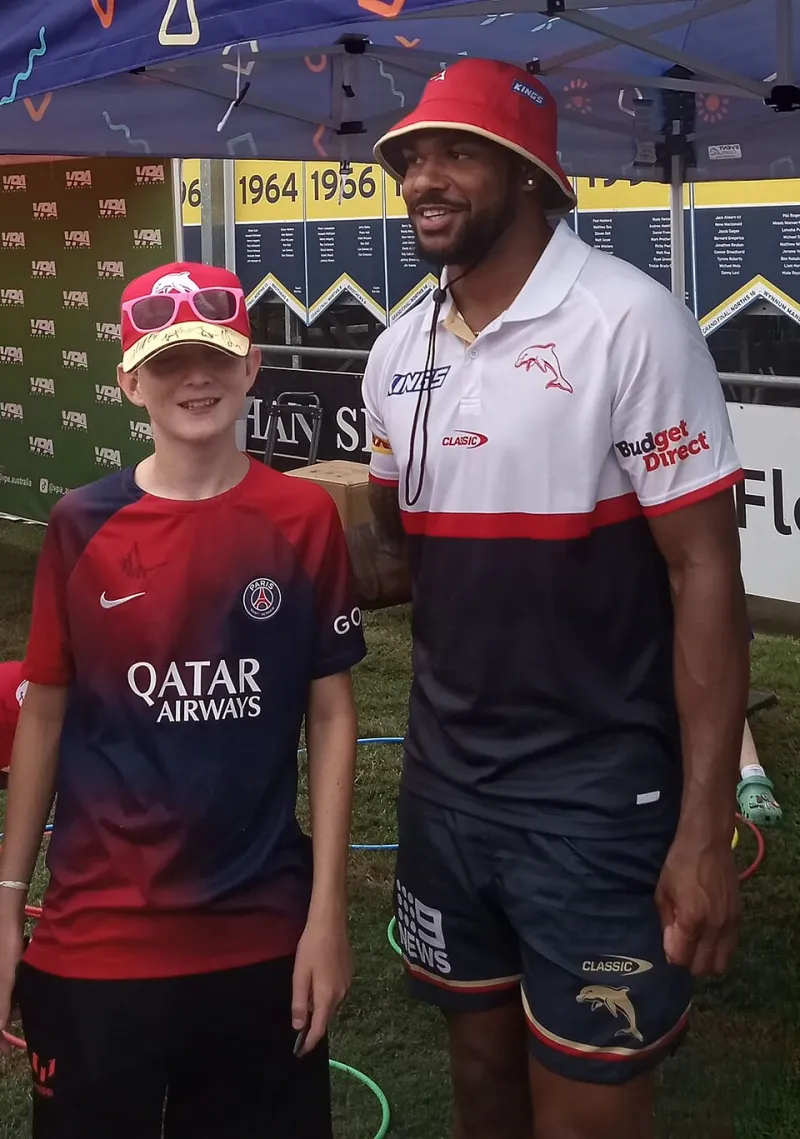
Photo: Sampajanna, CC0, via Wikimedia Commons
Every Sunday morning during the NRL season, millions of Aussies scroll through the fixtures and land on the same conclusion — back the team with the bigger names and call it a day. It's comfortable. It's familiar. And more often than not, it's exactly how bookies keep the lights on.
The truth is, consistent punters don't win by picking winners. They win by finding value — situations where the odds on offer are more generous than the actual probability of an outcome. In rugby league, those opportunities pop up more regularly than you'd think, especially when the market is distracted by reputation rather than reality.
Here's how to start thinking differently about your NRL betting.
Why Favourites Are Mostly Priced to Lose You Money
When a top-eight side like the Melbourne Storm or Penrith Panthers plays a mid-table team, the market rushes to back the favourite. That demand shortens the price rapidly, often to a point where even if you're right 65% of the time, you're not turning a profit long-term.
This is what punters call negative expected value — and it's the quiet killer of most betting accounts.
The better play is to look at underdogs in spots where the market has overreacted. A team coming off a bad loss, for example, is often written off unfairly. But if that loss was against a top-two side, away from home, in wet conditions — the underlying performance might actually have been solid. The scoreline doesn't always tell the whole story.
Reading Line Movements Like a Pro
One of the most underrated skills in NRL betting is learning to read how the line moves between when odds open and when the game kicks off.
Bookmakers set an opening line based on their own modelling, but public money — and sharp money — shifts those numbers throughout the week. Here's what to watch:
- Line moves toward the underdog: This often signals sharp (professional) punters backing the less fancied team. Worth paying attention to.
- Line moves toward the favourite: Usually driven by public sentiment. Be cautious — you might be joining a crowded trade with reduced value.
- Late line movement on game day: Injury news, late team changes, or weather updates can cause sudden shifts. If you spot movement before the official reason is clear, that's often smart money acting fast.
At LalaBet AU, odds update in real time, so keeping an eye on line movement through the week is a practical habit worth developing.
Injuries: The Market Doesn't Always Adjust Fast Enough
NRL teams announce their 24-man squads on Tuesdays, with final teams locked in by Thursday. That's a two-day window where the market is pricing games based on assumed availability.
Savvy punters do their homework here. If a key playmaker like a first-choice halfback or a dominant prop is listed as a late withdrawal or even just a game-time decision, the odds might not fully reflect that risk until Friday — or sometimes not until Saturday morning.
Watch for:
- Halves and hookers: Losing your starting seven or nine is catastrophic for a team's attack. Markets often underestimate the drop-off when a backup steps in.
- Middle forwards: Less glamorous, but a depleted forward pack means less go-forward, slower play-the-balls, and tired edge defenders by the 60th minute.
- Injury history patterns: Some players have recurring soft tissue issues. If a bloke has missed three games in a row with a hamstring complaint and is listed as a 'test', that's a red flag the market might not fully price in.
Identifying Undervalued Teams Throughout the Season
Value doesn't just come from individual matches — it comes from recognising systemic patterns in how the market views certain clubs.
A few frameworks worth applying:
The bounce-back spot: Teams that have lost two or more in a row are often underpriced as underdogs, especially at home. The public punishes losing streaks harder than the actual football warrants. If the underlying stats (completion rates, metres gained, missed tackles) were competitive, the team may be better than their record suggests.
The trap game: A heavily favoured side playing a struggling opponent the week before a blockbuster derby or finals match. Motivation can dip. Look at historical results in these spots — you'll find more upsets than you'd expect.
Home ground advantage in regional markets: Teams based outside Sydney — think the Cowboys in Townsville or the Titans on the Gold Coast — get less media attention and are often undervalued in the market. Home crowds in these venues are genuinely intimidating, and travel fatigue affects visiting sides more than punters account for.
Building a Weekly Process
The difference between a casual punter and someone who actually makes the NRL season profitable comes down to process. Here's a simple weekly framework:
- Monday/Tuesday: Review last week's results against your pre-game analysis. Were your reads correct even if the result didn't go your way?
- Wednesday: Check opening lines and form guides. Note any fixtures that look mispriced on first look.
- Thursday: Team list day. Cross-reference squad announcements with your shortlisted games. Adjust your thinking based on late changes.
- Friday: Finalise your selections. Check for any line movement that contradicts your read — if sharp money disagrees with you, ask yourself why.
- Saturday/Sunday: Bet with intent, not impulse. Stick to your pre-game analysis rather than chasing early losses.
Discipline is the unsexy part of NRL betting that nobody talks about — but it's the foundation everything else is built on.
Final Word
Finding value in the NRL season isn't about being contrarian for the sake of it. It's about doing more homework than the average punter, understanding what the market is actually pricing, and being patient enough to wait for the spots where the numbers genuinely work in your favour.
The favourites will win most weeks. But they won't make you money at the prices they're usually offered. Start looking beyond the obvious, and the NRL season becomes a very different kind of game.