One Bet on the Races? Here's Why That Promise Never Survives Past Race Three
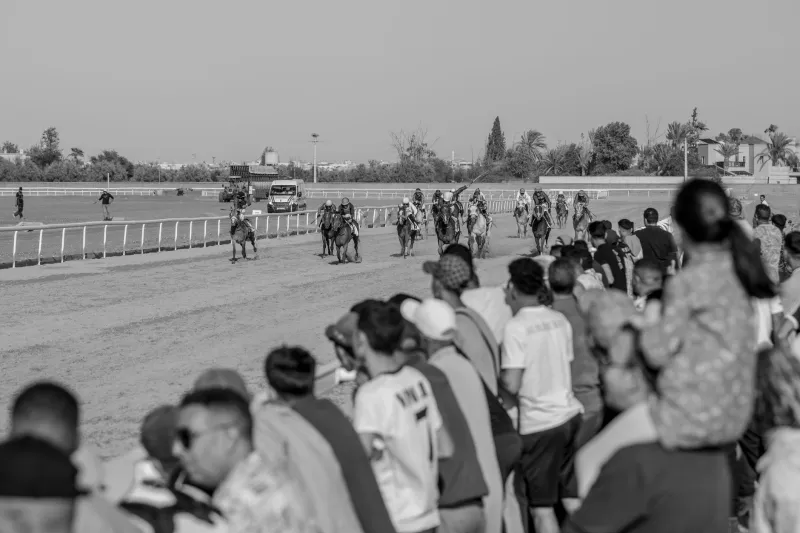
It starts innocently enough. You're watching the carnival coverage on a Saturday afternoon, the horses are looking sharp, and you think — just the one punt. Nothing serious. A tenner, maybe twenty bucks, on a horse with a name you like or a jockey you've followed for years. No big deal.
Except it is a big deal. Not because of that first bet — that one's usually fine. It's everything that comes after it that does the real damage.
If you've ever ended a race day wondering how a single casual flutter turned into eight bets across three different tracks, you're not alone. This pattern plays out for thousands of Aussie punters every single weekend, and it has very little to do with willpower or discipline. It has everything to do with how your brain is wired — and how race day is specifically designed to exploit that wiring.
The 'Just One' Myth and Why It's So Easy to Believe
The reason the single-bet promise feels so convincing is because, in the moment, it is genuine. You're not lying to yourself. You really do intend to place one bet and walk away. The problem is that intention is formed before the psychological machinery of race day kicks in.
Once you've got skin in the game — even twenty dollars' worth — your brain shifts into a completely different mode. Neuroscientists call it the dopamine anticipation loop. Your brain releases dopamine not when you win, but when you expect a reward might be coming. That feeling peaks in the lead-up to a race, not at the finish line.
So when Race 1 wraps up, whether you won or lost, your brain is already scanning the horizon for the next hit. Race 2 is right there on the card. The commentators are already previewing it. The odds are moving. And suddenly, walking away feels weirdly anticlimactic — like leaving a barbecue before the snags are even on the grill.
The Loss Chase and the Win Ride — Two Roads to the Same Place
Here's what makes the cascade so sneaky: it doesn't matter whether your first bet wins or loses. Both outcomes lead punters back to the TAB.
If you lose, the reasoning is obvious. You want to get that money back. Twenty bucks down feels wrong, and Race 2 looks like a reasonable opportunity to square up. That's classic loss-chasing, and most punters recognise it — in theory. In practice, it's much harder to spot when you're in the middle of it.
But winning is just as dangerous, maybe more so. When your first bet comes in, you feel validated. Your read was right. You backed a winner. Now you've got house money in your pocket and a growing sense that today might just be your day. Why wouldn't you have another crack? This is the win-ride trap, and it's responsible for just as much bankroll damage as chasing losses.
Both psychological states — the sting of a loss and the buzz of a win — push you toward the same behaviour: placing another bet. That's not a coincidence. It's just how the brain processes risk and reward under emotional conditions.
How Race Day Structure Makes It Worse
Australian race carnivals are beautifully designed entertainment products. They're also, from a betting psychology standpoint, a near-perfect trap for casual punters.
Races run every 20 to 30 minutes across multiple tracks. Coverage is continuous, commentary is engaging, and there's always something happening. There's no natural pause point — no half-time, no commercial break where the action stops and you get a moment to breathe and reassess. The gap between races is just long enough to feel like downtime, but short enough that walking away feels like bad timing.
Add to that the social dimension. If you're watching at a pub, a club, or even at home with mates, there's a shared energy to the day. Someone's always about to place a bet. Someone's always celebrating a win or groaning about a near-miss. Opting out feels weird. So you don't opt out.
Recognising the Cascade Before It Starts
The good news is that awareness is genuinely useful here — but only if you apply it before you place bet number one, not halfway through Race 4 when you're already three bets deep.
A few practical approaches worth trying:
Set a hard session limit, not a bet limit. Telling yourself you'll only place one bet is a goal that's easy to renegotiate. Telling yourself you'll spend no more than $30 on the entire day is more concrete and much harder to quietly move the goalposts on.
Decide your exit point in advance. Before the first race runs, know exactly when you're done. After Race 3? After the feature race? Write it down if you have to. Vague intentions evaporate under the pressure of a live event.
Separate your betting funds physically. If you're using a dedicated betting account with a set balance, you create a natural ceiling. Topping up mid-session requires a conscious decision — which is exactly the friction you need to slow the cascade.
Name the feeling, not just the bet. When you feel the urge to place a follow-up punt, pause and ask yourself what's actually driving it. Is it genuine confidence in the horse, or is it the buzz of the previous race still firing in your system? You don't have to act on every impulse just because it feels urgent.
There's Nothing Wrong With Enjoying the Races
It's worth being clear: none of this means race day betting is something to avoid or feel guilty about. The Melbourne Cup, the Caulfield Carnival, the Brisbane winter carnival — these are genuinely great events, and having a few bets is a normal part of enjoying them for millions of Australians.
The issue isn't the betting. It's the gap between what you intend going in and what actually happens once the races get rolling. Closing that gap — even a little — is the difference between a fun afternoon and a Sunday morning full of regret.
The punters who consistently enjoy race days without the hangover aren't the ones with iron willpower. They're the ones who planned for the fact that their future self would be tempted, and built a few simple guardrails before the gates even opened.
One bet on the races is a perfectly reasonable thing. Just be honest with yourself about whether that's actually what you're planning — or whether you're telling a story that won't survive past Race 3.